


















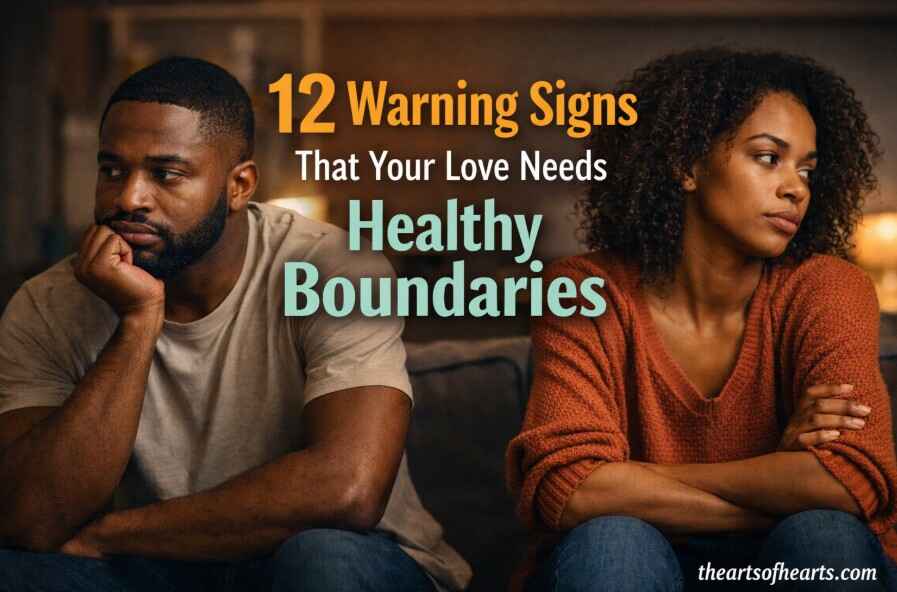
Love is meant to feel grounding, supportive, and emotionally safe over time. However, many relationships slowly shift into something heavier without people realizing what changed. That quiet discomfort is often not about love fading, but about healthy boundaries being missing or unclear.
You may still care deeply for each other, yet something feels off in ways you cannot easily explain.
When healthy boundaries are absent, relationships tend to become emotionally uneven and difficult to sustain. Research in attachment psychology shows that people naturally seek closeness and security, yet without balance, that closeness can turn into anxiety, overdependence, or emotional strain.
If you recognize yourself in the signs below, it does not mean your relationship is broken. It simply means your love may need structure, clarity, and protection. You can explore a deeper foundation here:
1. You Feel Drained After Spending Time Together
Spending time with someone you love should not consistently leave you feeling emotionally depleted. Occasional tiredness is normal, especially after deep conversations or stressful days.
However, if you regularly walk away feeling exhausted, overwhelmed, or mentally foggy, something deeper may be happening. This often signals that your emotional energy is being overextended without enough recovery or mutual balance.
This pattern usually develops when one person gives more than they can sustainably offer. You may be listening, supporting, adjusting, and accommodating without realizing how much it costs you internally.
Over time, this creates emotional fatigue and quiet resentment. Healthy relationships include space for both connection and restoration, and without healthy boundaries, even love can start to feel like a responsibility instead of a choice.
2. You Struggle to Say “No” Without Guilt
Saying “no” should feel like a normal part of maintaining your well-being. However, if every refusal feels heavy, uncomfortable, or guilt-inducing, it often means your boundaries are not firmly established. You may find yourself agreeing to plans, conversations, or responsibilities simply to avoid disappointing your partner.
This guilt often comes from an internal belief that love requires constant availability or sacrifice. Over time, this mindset creates imbalance and emotional strain. Research shows that individuals with anxious attachment patterns are more likely to overextend themselves to maintain connection.
Healthy love allows space for honest limits without fear of rejection. If saying “no” feels like risking the relationship, then your love likely needs stronger, more clearly defined healthy boundaries.
3. You Feel Responsible for Their Emotions
Caring about someone’s feelings is part of any meaningful relationship. However, feeling responsible for managing or fixing their emotions is a different experience entirely. You may find yourself constantly adjusting your behavior to prevent them from feeling upset, stressed, or disappointed.
This emotional responsibility creates pressure that slowly becomes overwhelming. It shifts the relationship from partnership into emotional caretaking. Attachment research highlights how some individuals become hyper-focused on maintaining emotional closeness, often at the cost of their own well-being.
Healthy relationships allow both people to own their emotions while supporting each other. When you feel like the emotional regulator of the relationship, it is a clear sign that healthy boundaries are missing.
4. Your Needs Are Often Ignored or Minimized
A relationship should make space for both people’s needs, not just one. If your concerns are frequently dismissed, overlooked, or treated as less important, it creates a subtle imbalance that grows over time. You may begin to question whether your needs are valid at all.
This dynamic often leads to self-silencing, where you stop expressing yourself to avoid conflict or rejection. Over time, this erodes your sense of self-worth within the relationship. Studies on attachment and relational dynamics show that perceived imbalance can significantly affect emotional well-being and stability.
Healthy love requires mutual respect and attention. When your needs consistently take a back seat, it is not a communication issue alone. It is often a boundary issue that needs to be addressed.
5. You Over-Explain Yourself to Be Understood
Explaining yourself is normal in any relationship, especially when discussing decisions or emotions. However, constantly over-explaining simple choices can indicate a deeper lack of emotional safety. You may feel like your decisions need to be justified in order to be accepted.
This pattern often develops when you fear being misunderstood, judged, or dismissed. Instead of expressing yourself freely, you begin to defend your choices unnecessarily. Over time, this becomes emotionally exhausting and reduces your sense of autonomy.
Healthy relationships do not require constant justification for basic needs or decisions. When you feel the need to “earn” understanding through long explanations, it often means your boundaries around self-trust and independence are not being respected.
6. You’re Afraid of Conflict or Disagreement
Conflict is a natural part of any relationship, yet fear of it can create long-term damage. If you avoid expressing your thoughts to keep the peace, you are likely suppressing important parts of yourself. This avoidance may feel like protecting the relationship, but it often leads to emotional distance.
Over time, unspoken issues accumulate and create tension beneath the surface. Research in emotional regulation and attachment shows that avoiding conflict can increase internal stress and reduce overall relationship satisfaction.
Healthy relationships make room for respectful disagreement without fear of loss. When silence feels safer than honesty, it is a strong indicator that your relationship needs healthy boundaries.
7. You Feel Guilty for Taking Time for Yourself
Rest and personal space are essential for emotional well-being. However, if taking time for yourself feels selfish or wrong, it often means your sense of independence has been compromised. You may feel pressure to always be available, responsive, or present.
This guilt can slowly lead to burnout, especially if you neglect your own needs consistently. Psychological models of relationships emphasize that individuals require both connection and autonomy to function well.
Healthy love supports individuality rather than replacing it. If your personal time feels like a problem instead of a necessity, your relationship likely needs clearer boundaries around time and energy.
8. Your Personal Space Isn’t Respected
Personal space includes emotional, physical, and even digital boundaries. If your partner frequently crosses these lines, whether intentionally or not, it can create discomfort and tension. This might look like going through your phone, demanding constant updates, or not respecting your need for privacy.
Recent research highlights how even digital boundaries play a significant role in modern relationships, and when they are not respected, it can lead to conflict and emotional strain.
Healthy relationships are built on trust, not constant access. When your space feels invaded instead of respected, it is a clear signal that healthy boundaries need to be established and reinforced.
9. You Constantly Seek Their Approval
It is natural to value your partner’s opinion, but constantly needing their approval can signal a loss of self-trust. You may second-guess your decisions or feel uncertain unless they validate your choices.
This dynamic often develops when self-worth becomes tied to the relationship. Research shows that attachment anxiety can lead to heightened sensitivity to approval and rejection.
Healthy relationships support confidence rather than replace it. When your sense of direction depends heavily on someone else, it often means your emotional boundaries need strengthening.
10. You Ignore Red Flags to Keep the Relationship
Sometimes, you notice behaviors that do not sit right with you, but you choose to overlook them. You may downplay concerns or convince yourself that things will improve with time. This often happens when maintaining the relationship feels more important than addressing discomfort.
Ignoring red flags can lead to deeper issues over time. It creates a pattern where your standards gradually lower to preserve connection. This is not a reflection of love’s strength, but of boundaries being compromised.
Healthy love does not require you to ignore your instincts. When you consistently dismiss your own concerns, it is a strong sign that healthy boundaries are not in place.
11. You Feel Like You’re Losing Your Identity
A healthy relationship should complement who you are, not replace it. If your hobbies, friendships, or personal interests begin to fade, it may indicate that your identity is becoming overly tied to the relationship.
This shift often happens gradually, making it difficult to notice at first. You may start prioritizing the relationship at the expense of your individuality. Attachment theory suggests that secure relationships allow both closeness and independence to coexist.
When you feel like you are becoming less of yourself, it is not just a phase. It is often a signal that your personal boundaries need to be reclaimed.
12. Resentment Is Quietly Building Inside You
Resentment rarely appears suddenly. It builds slowly through repeated moments of overgiving, silence, or unmet needs. You may start feeling irritated over small things, even if you cannot fully explain why.
This emotional buildup is often the result of unexpressed boundaries. When you consistently suppress your needs or ignore discomfort, it eventually surfaces as frustration. Over time, resentment can damage even strong emotional connections.
Healthy relationships address issues early rather than allowing them to accumulate. When resentment becomes a pattern, it is often a clear indication that healthy boundaries are overdue.
What to Do When You Notice These Healthy Boundaries Warning Signs
Recognizing these signs is the first and most important step. It means you are becoming aware of your emotional needs and limits. From here, small, consistent changes can make a meaningful difference.
Start by acknowledging what feels uncomfortable without dismissing it. Practice expressing your needs clearly, even in simple situations. Pay attention to how your partner responds to your boundaries, because respect is a key indicator of relationship health.
Most importantly, remind yourself that boundaries do not weaken love. They protect it, stabilize it, and allow it to grow in a way that feels safe for both people.


