

















Healthy communication is the foundation of any relationship and a crucial part of a lasting and rewarding partnership, whether in dating or marriage. Many fights are brought about and could be ended with better communication practices between partners. Here are the answers to 20 FAQs on the best communication strategies for couples to help you have a fulfilling relationship.
1. What does healthy communication look like in a relationship?

Healthy communication is characterized by honesty, respect, and a focus on listening rather than reacting. It involves expressing your needs clearly and giving your partner space to share theirs without fear of judgment. Couples who communicate well focus on understanding, not winning. They speak to connect, not to score points.
A strong sign of healthy communication is when disagreements don’t escalate into personal attacks. Both people can pause, regulate emotions, and return to the conversation calmly. When communication is healthy, difficult conversations feel possible and not dangerous.
2. Why do couples fight over small things?
Small conflicts often signal larger unmet needs, such as attention, respect, or appreciation. When these needs go unmet, even minor issues can trigger emotional reactions. The argument isn’t really about the dishes or the tone but about the deeper feelings beneath them. The best communication strategies involve recognizing the root causes, as this helps prevent recurring conflicts.
Often, the “small thing” becomes the safe expression of a bigger frustration that hasn’t been named yet. A helpful step is to ask yourself, “What’s the real need I’m trying to express?” and communicate that instead of the surface issue.
3. How do I communicate better without starting an argument?
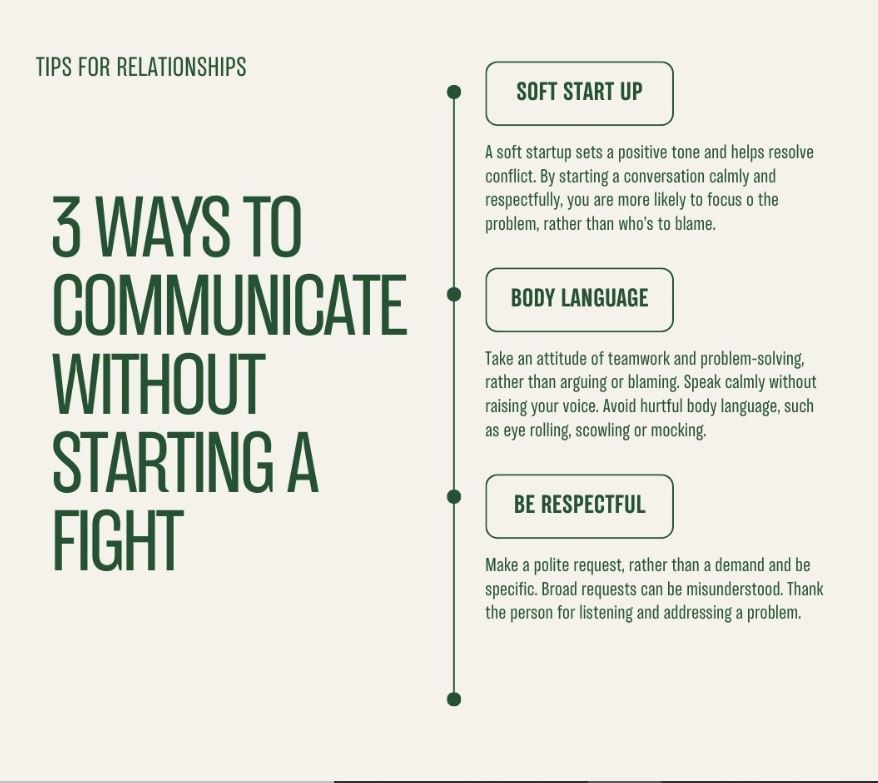
Use calm tone, “I feel” statements, and avoid blame-heavy language. Share how the situation affects you instead of accusing your partner of wrongdoing. Stick to one issue at a time and choose the right moment. Gentle beginnings prevent defensive endings.
It also helps to check in before starting the conversation, asking, “Is this a good time to talk?” This small courtesy builds cooperation and reduces tension. Timing and tone matter just as much as the words themselves.
4. Why does my partner get defensive when I express my feelings?

Defensiveness often stems from feeling criticized or inadequate. Your partner may interpret your emotions as a personal attack even when that isn’t your intention. Reframe the conversation around how you feel rather than what they did wrong. Safety invites openness.
If this happens often, talk outside the heat of conflict about how you can both communicate without triggering defensiveness. Sometimes partners need reassurance that sharing feelings isn’t blaming them but connecting with them.
5. What is the right way to apologize in a relationship?
A good apology centers on the impact, not your intent. It includes acknowledging the action, owning the emotional effect, and expressing sincere remorse. You should briefly state how you’ll do better next time and ask what your partner needs to feel supported.
If your apology is honest, your partner will feel seen and cared for, even if they need time to heal. Avoid rushing forgiveness; the sincerity of your follow-through matters just as much as your words.
6. How do I talk to my partner when I’m angry without making things worse?
Take a brief pause before initiating the conversation to regulate your emotions. Use a steady tone and focus on describing your feelings rather than attacking their behavior. If you feel yourself escalating, ask to continue later. Calmness protects connection.
You can also preface the conversation with, “I’m frustrated, but I want us to understand each other and not fight.” This signals your intention and reassures your partner that the goal is resolution, not conflict.
7. How do I know if I’m being misunderstood?
Ask clarifying questions like “Can you tell me what you heard me say?” This reduces assumptions and reveals any gaps in understanding. Miscommunication is common, especially in emotional moments. Slowing down improves accuracy.
It also helps to repeat back what your partner said to confirm you got it right. Mirroring their words, without mocking or exaggeration, keeps conversations grounded and respectful.
8. Why do some conversations keep repeating?
Recurring conflicts often signal a deeper unresolved issue. When couples argue about the same topic, it usually means a need isn’t being acknowledged. Address the pattern, not just the event. Understanding the root causes breaks the cycle.
Consider asking, “What do you need from me in these moments that you feel you’re not getting?” That question alone often reveals the emotional layer beneath the repetitive conflict.
9. What is stonewalling, and how do I respond to it?
Stonewalling happens when someone shuts down emotionally to avoid conflict. It’s usually a sign of overwhelm, not indifference. Give your partner space and revisit the conversation when they’re calmer. The goal is reconnection, not pressure.
You can also agree on a signal or phrase like “I need a break” so withdrawal doesn’t feel like abandonment. Structure turns stonewalling from avoidance into a temporary pause for self-regulation.
10. How do I communicate when my partner shuts down?
Stay patient and speak gently without demanding immediate answers. Validate their feelings and offer room to breathe. Many people need time to process before they respond. Keeping the environment safe encourages them to re-engage.
Check in softly after some time with something like, “I’m here when you’re ready to talk.” This keeps the door open without overwhelming them.
11. How can we repair communication after a big argument?
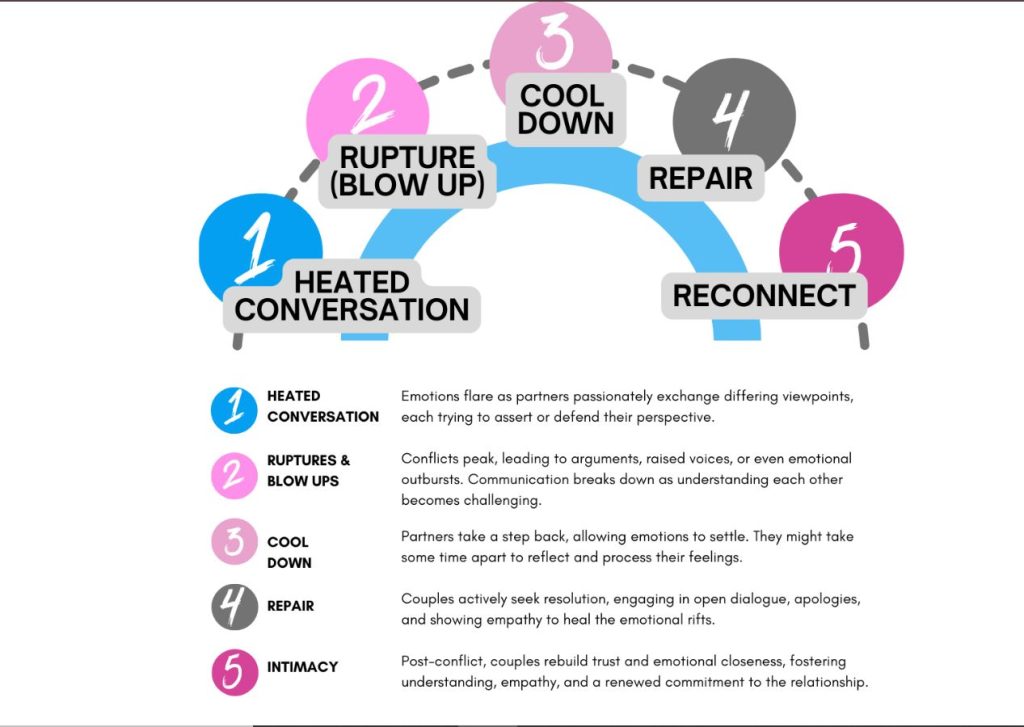
Begin by acknowledging what went wrong and validating each other’s experience. Use repair attempts, especially small gestures that soften tension, such as empathy, humor, or a sincere apology. Focus on what you both learned from the conflict. Repair builds resilience.
Set a shared rule like “We talk about the conflict only once we’re calm.” This prevents arguments from spiraling and helps both partners return with clarity instead of anger.
12. How important is timing when discussing sensitive issues?
Timing can make or break a conversation. When either person is stressed, tired, or distracted, emotional topics escalate quickly. Wait for moments of calm and choose a private, relaxed setting. Good timing increases cooperation.
Pay attention to environmental cues since no one communicates well when rushing, multitasking, or irritated. Choosing the right moment shows respect and boosts the odds of a productive conversation.
13. How do I bring up a concern without sounding critical?
Start with appreciation, then express your concern gently. The best communication strategies for couples in this instance include replacing “you always” or “you never” with specific observations: “I felt hurt when…” Focus on the behavior, not the person. Softness makes honesty easier to receive.
You can also ask permission: “Is it okay if I share something that’s been on my mind?” This reduces defensiveness and creates a collaborative tone.
14. What are the biggest communication mistakes couples make?
Frequent errors include defensiveness, interrupting, assuming intentions, and invalidating feelings. These habits create distance and frustration. Healthy communication involves curiosity, patience, and responsibility. Small shifts transform the tone of conversations.
Awareness is the first step. Once you identify recurring mistakes, you can replace them with better habits, such as pausing before reacting or asking questions instead of assuming motives.
15. Does texting help or hurt communication in relationships?
Texting is great for updates and affection, but risky for emotional conversations. Tone often gets misinterpreted, leading to unnecessary conflict. Save sensitive topics for in-person or voice discussions. Texting should supplement, not replace, real connection.

A simple guideline is: Use texting for logistics, not emotional problem-solving. This reduces miscommunication and keeps important conversations grounded.
16. How do I know if poor communication is a dealbreaker?
If your partner refuses to listen, dismisses your feelings, or blames you for expressing needs, these are warning signs. Dealbreakers emerge when effort is one-sided over a long period. Healthy relationships require mutual willingness, not perfection. Effort is the measure of potential.
It’s also important to notice whether communication issues improve after honest dialogue. If nothing changes despite repeated attempts, that may indicate deeper incompatibilities.
17. How do attachment styles affect communication?
Anxious partners may seek reassurance, while avoidant partners need space. This can create mismatched rhythms that feel like conflict but are actually patterns. Understanding your attachment style helps you communicate from awareness rather than reaction. Knowledge reduces misunderstanding.
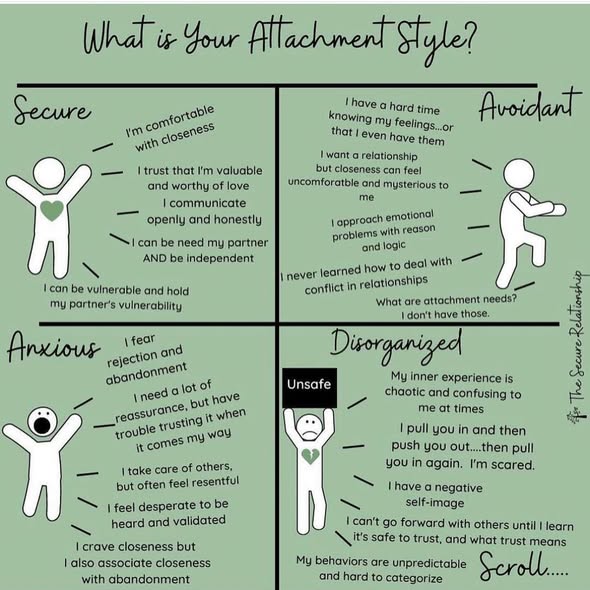
You don’t need to change your attachment style overnight. Just being aware of it helps you respond with intention instead of habit.
18. How do I improve communication if my partner refuses therapy?
Start by improving your own communication habits. The best communication strategies for couples include listening more, reacting less, and choosing gentle language. Lead by example; change often influences change. You can also use books, online resources, or workshops individually. Growth doesn’t have to be mutual to begin.
If things start improving on your end, your partner may eventually become more receptive. Sometimes people need to see positive change before they’re ready to join in.
19. How do you rebuild trust after communication breaks down?
Trust is rebuilt through consistent honesty, reliability, and openness. Show through action, not promises, that the pattern is changing. Keep conversations transparent and avoid repeating old habits. Small, consistent steps carry the most weight.
Be patient; trust rarely returns quickly. Instead of demanding reassurance, demonstrate steady reliability and let your actions speak.
20. Can couples recover from years of poor communication?
Yes, research shows that couples can dramatically improve with patience, effort, and new communication skills. The key is the willingness on both sides to break old patterns and use the best communication strategies for couples. Start with small daily habits like listening without interrupting. Change is almost always possible when two people want it.
Even long-standing problems can shift when both partners commit to healthier habits. It’s not about erasing the past but building a new communication rhythm moving forward.


