















When it comes to dating apps, your dating app profile is a visual and written narrative that tells a story. It is your artistic self-portrait presented for a split-second judgment. For those seeking meaningful connections, the goal is not to maximize matches, but to attract the right kind of match.
This guide will break down the psychology and strategy of crafting the best dating app profile, emphasizing authenticity, vulnerability, and intentionality. Such a profile ensures you connect with someone who truly values the real you.
Considering dating apps are now a central part of modern relationships, knowing how to write a successful profile can increase your chances of a fulfilling relationship significantly.
Creating a Visual Narrative on Your Dating App Profile
Users on dating apps make split-second decisions, often spending just 1-2 seconds evaluating a dating app profile. Your photos present more than your physical appearance. They are carefully curated symbols that communicate your lifestyle and relationship goals.
The Headshot Hierarchy: The Rule of Three
You need a diverse portfolio that tells a coherent, multifaceted story. Here is a strategy you can use.
- Photo #1: The Clear, Approachable Headshot. This must be recent, high-quality, and clearly show your entire face. Psychology suggests that making direct eye contact and smiling increases perceived trustworthiness and likability, boosting your chances of being chosen. Avoid: Sunglasses, hats, or filters that obscure your face, as excessive manipulation can decrease perceived trust.
- Photo #2: The Contextual Full-Body Shot. This photo establishes physical authenticity. Choose a picture of you in a natural context—walking, standing at an event, or enjoying a view. Avoid mirror selfies as they are often associated with low effort or narcissism.
- Photo #3: The Conversation Starter (Hobby/Activity Shot). This is the most important image. Show yourself engaged in a genuine passion (e.g., painting, hiking, cooking, playing an instrument). Activity photos are highly effective because they make it easy for a match to start a conversation by asking about the image.
What to Avoid on the Dating App Profile
- Avoid the Shirtless/Sexualized Selfie: Research shows that highly sexualized photos may be used to manage a seductive appearance, but they signal a more casual or short-term intent, which can alienate those seeking long-term commitment.
- Avoid Excessive Filtering: While subtle filters might increase initial liking in some cases, exaggerated filters often do not improve likability and can be viewed as deceptive, raising questions about authenticity when you meet in person.
- The Problem of Idealization: People often upload unrealistic photos to exaggerate positive traits they believe others find desirable, but this can lead to “unpleasant expectancy violations” when meeting face-to-face, undermining romantic prospects.
Specificity and Vulnerability on Your Dating App Profile
Once a match is visually interesting, your written answers seal the deal. The biggest mistake is being generic (“I love to laugh and travel”). The greatest success comes from vulnerability and specificity.
Writing for Intrigue, Not Information
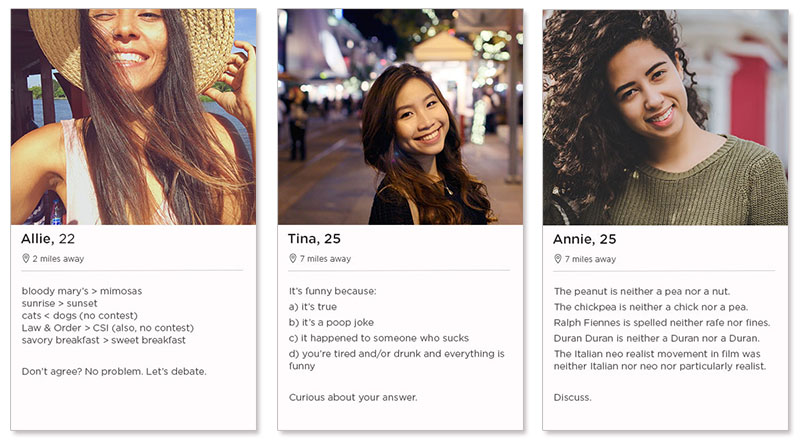
Your written dating app profile shouldn’t just list facts; it should intrigue your ideal match by revealing your inner life and values.
| Principle | Generic Example (Swipe Left) | Example with specificity and intrigue (Swipe Right) | |
| Specificity | “My favorite memory is traveling in Europe.” | “My favorite memory is getting lost in a side alley in Rome, stumbling upon the perfect hole-in-the-wall pasta shop, and spending an hour trying to order in broken Italian.” | |
| Focus on Knowing Others | “I’m looking for someone who will listen to me and support me.” | “What I value most is curiosity. I want to learn about your interests, values, and ambitions—tell me the most ridiculous historical fact you know.” | |
| Originality | “I like long walks on the beach.” | “I enjoy long walks on the beach, cute dogs, and my weekly session with my therapist.” | |
| Avoid Negativity | “If you’re looking for drama, swipe left.” | Instead, rephrase positively: “I value kindness and ambitious goals for the future.” |
The Power of “Feeling Known.”
Research by Haas Associate Professor Juliana Schroeder emphasizes that people are more satisfied in relationships where they feel known and supported. An irresistible dating app profile, therefore, often shifts the focus from “know me” to “I want to know you.”
- Ask a Question: A dating app profile that explicitly asks a question or includes a Call to Action (e.g., “Ask me about my disastrous attempt at home-brewing beer”) encourages the match to initiate conversation effectively, which is a powerful predictor of successful dating.
The Power of Vulnerability and Emotional Availability
Vulnerability is key to deepening a bond, but it must be concise and down-to-earth. Vulnerability on an app means showing that you are comfortable with your emotions and ready for a genuine connection.
- Signal Emotional Maturity: Profiles that avoid criticizing exes and focus on the positives and the future demonstrate emotional stability.
- Show You are a Great Partner: Research indicates that potential partners rate profiles higher when they emphasize qualities like a desire for deeper emotional connection, curiosity about their life, and a supportive nature. Try wording like: “I’m curious about your life experiences and want to learn about your interests, values, and ambitions.
Setting Intentions on Your Dating App Profile—The Filter Strategy
An emotionally intelligent dating app profile uses the prompts and settings to explicitly define what you are looking for. This acts as a filter, preventing the time-wasting that leads to burnout.
Be Clear About Your Goal (Loud Looking)
Profiles that explicitly mention partnership intentions attract 39% more matches than vague descriptions
- Transparency is Magnetic: Be clear about what you’re seeking (e.g., “Long-Term Relationship” or “Relationship-Minded”). Matchmaking experts recommend this transparency as it saves time and attracts like-minded individuals. In fact, even on apps traditionally known for casual dating, a significant portion of users are looking for long-term relationships, making this clarity essential.
- Check the Box: If your app (like Hinge or Bumble) has a dedicated section for “Looking For,” check “Long-Term Relationship” or “Relationship-Minded.”
- Avoid Negativity: Do not use your profile to list deal-breakers or what you don’t want (“No hookups,” “No drama”). This makes you appear bitter and defensive. Instead, state your goal positively: “I’m looking for a positive, loving, adventure-filled, committed long-term relationship.”
- Show Your Day-to-Day: Dating App Profiles that feature both “highlight reel” photos (travel, parties) and day-to-day life details (relaxing, reading, typical Sunday) allow a potential match to realistically envision a long-term life with you, moving past the initial excitement of just “having fun together”.
The Conversation Catalyst
Your profile should do the heavy lifting of starting the conversation.
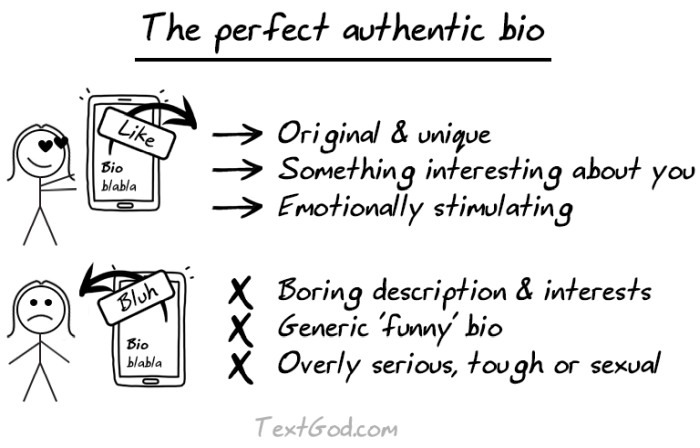
- Specificity Over Cliché: Originality in your dating app profile text calls for avoiding generic statements and using concrete self-disclosure. Doing this positively affects impressions of intelligence, humor, and romantic attractiveness. Your profile’s success hinges on being original and unique within the boundaries of appropriateness.
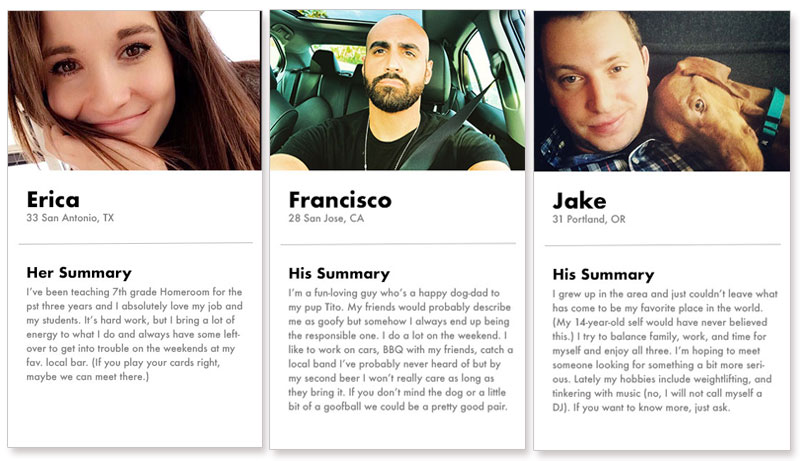
- Open-Ended Hooks: Write answers that allow another person to ask you questions about topics you yourself are interested in talking about. For example, if you say your passion is woodworking, you invite questions about your latest project.
- Specific Opener: You can even use your profile as a direct opener. End your bio with a question (the “Call to Action” mentioned above) that your match can answer as their first message.
The Art of the Real You
The most important insight from the psychology of profile creation is this: The most successful profiles are the ones that honestly represent you. While idealized photos might increase initial matches, they lead to disappointment and lower satisfaction in the long run.


