

















Modern dating demands we adapt to a world reshaped by technology, shifting social norms, and evolving expectations. Between dating apps, social media, dating terms, and changing values around relationships, many old, unspoken rules no longer apply. And where they do, at least not in the same way. This guide offers balanced, realistic advice grounded in modern etiquette and emotional intelligence. Think of it as a reference for healthy connection, not a strict rulebook, because many situations fall in gray zones where judgment, communication, and empathy matter most.
1. First-Date Expectations
A first date should feel like a gentle opening and not a deep dive or an audition. Your main aim is to meet in person, enjoy each other’s company, and sense whether there might be potential.

What a first date should be like
When you meet someone for the first time, aim to keep the conversation light and balanced. Think pleasant stories, shared interests, simple humor, not heavy debates or emotional baggage. Etiquette experts advise avoiding loaded topics such as politics, religion, personal trauma, or past relationships early on. At this stage, the focus is on enjoying each other’s presence and gauging comfort, not evaluating life compatibility.
Presentation matters. Dressing appropriately, which includes being comfortably yet neatly dressed, communicates that you’ve put thought into the meeting. According to some experts, the outfit should fit the venue, reflect a bit of care, but avoid over-the-top formality. Punctuality is also a mark of respect. Arriving on time suggests you value the other person’s time and signals reliability.
Throughout the date, aim to show attentiveness. Put your phone away, make eye contact, and listen actively. Whether you meet for coffee, a walk, or a meal, simple courtesy like moderate ordering, polite conversation, and genuine interest builds a sense of presence and respect. Further, avoid leaving your phone on the table or splitting your attention. You want to treat the date as an opportunity for a genuine connection. Simple actions like these go a long way in earning you the second date.
2. What to Avoid on a First Date
Just as important as what you do are the behaviours to avoid. These mistakes can derail even a promising first encounter.

You should avoid oversharing or unloading emotional baggage. Opening up about past traumas, ex-partners, financial struggles, or life regrets, especially on a first date, rarely builds intimacy. Instead, it may just feel heavy. Keep in mind that early emotional dumping often scares off interest or disrupts natural rapport.
Steer clear of controversial or polarizing topics too soon. Strong opinions on politics, religion, or lifestyle can ignite uncomfortable debates instead of a relaxed connection. Save those for later, when trust and mutual understanding are stronger.
Also, avoid distractions, especially your phone. Constant glances at notifications, messages, or calls can signal disinterest. In short, treat your first date like a first impression you want to honour with respect, presence, and thoughtful conversation.
3. Modern Dating Tips For Texting & Digital Communication Etiquette
Modern dating often begins (and sometimes even ends) with a screen. Texting has become the backbone of modern romance. But with that power comes responsibility. Your texting habits define perception, build momentum, or sometimes break it.
Why texting matters and how to do it right
In digital dating, tone and timing matter more than ever. According to experts, response speed heavily influences engagement. A good rule of thumb is to respond within 24 hours at the start. Once there’s mutual interest, quicker, more consistent replies help maintain connection and show respect for the other person’s time.
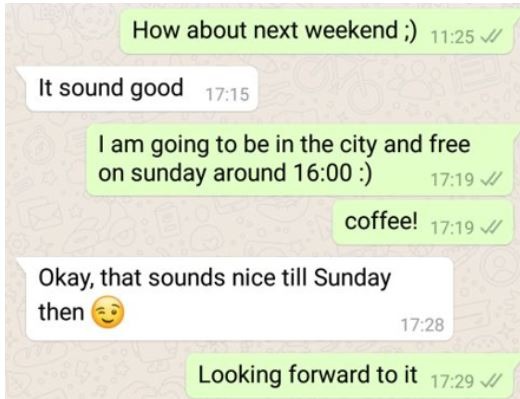
Importantly, this isn’t about playing games. Ghosting, breadcrumbing (sending minimal messages just to keep someone “on the hook”), or ambiguous replies are behaviours that undermine trust. These practices can erode self-esteem and lead to emotional distress for both parties.
Language matters too. Using emojis or informal slang can add warmth or playfulness, but overdoing it can blur tone and make intent unclear. Dating counselors recommend clarity and urge people to write messages that reflect respect and avoid misinterpretation.
Finally, texting should lead somewhere. Endless chat threads without calls or real-life meetings often stall. Rizzman suggests that after a few good exchanges, propose a video call or face-to-face meeting to move beyond digital anxiety.
4. Recognizing Red Flags, Green Flags, and Gray Areas in Modern Dating
In modern dating, reading between the lines is a core dating skill. Behavior isn’t always clearly good or bad, as many signals fall into a middle ground. Understanding potential red flags, spotting green flags, and handling ambiguity helps you protect your emotional well-being.
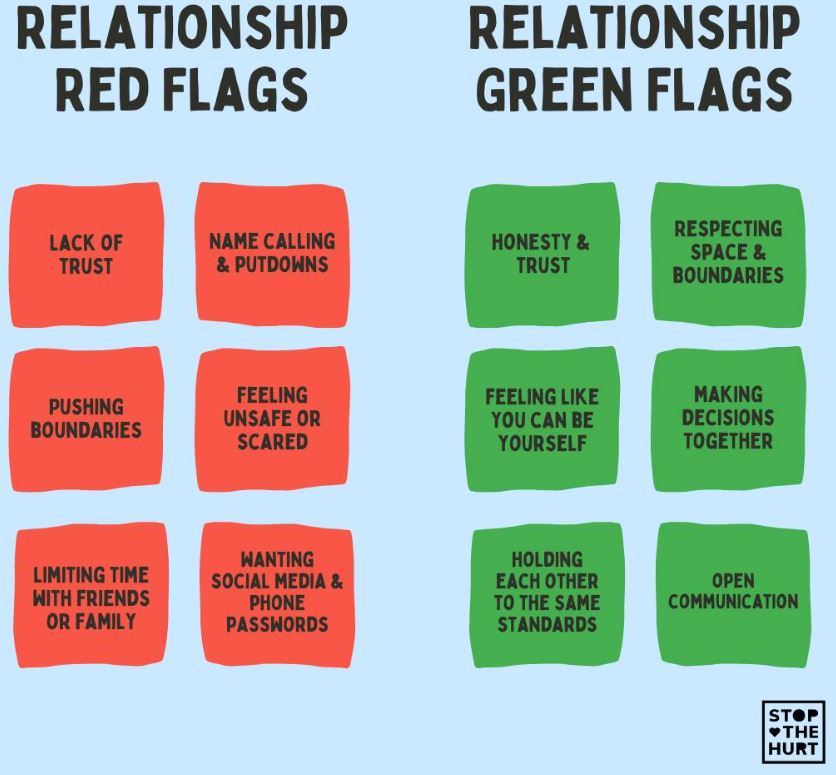
Green Flags: What healthy early interest looks like
- Consistent, clear communication: Someone who responds reliably, doesn’t ghost, and respects agreed plans shows emotional maturity. In fact, consistency is one of the clearest signs of genuine interest.
- Authenticity and honesty: When people are open about who they are, what they want, and what they expect from dating, it reduces confusion and builds trust. Honesty from the start helps prevent misunderstandings.
- Reliability in actions and plans: Following through on commitments, showing up when you say you will, and communicating delays, speaks louder than smooth talk. Reliability is a key trait for long-term potential.
- Respect for boundaries, pace, and comfort levels: Healthy dating grows at a pace both people accept. If your partner listens to your concerns, respects your limits, and values consent, that’s a clear green flag.
Red Flags: Watch out for these warning signals
- Inconsistent or “hot-and-cold” communication: Messages that fade in and out, sudden coldness, or unexplained radio silence often suggest low emotional investment. Olivia Buckley and other dating-etiquette observers warn that this behavior commonly precedes ghosting.
- Early intense affection or love-bombing: Overwhelming compliments, pressure to move fast emotionally or physically, or insistence on rapid closeness can be manipulative. Too much intensity too soon often masks insecurity or control tactics.
- Avoidance of clarity or commitment talk: If, after several dates, someone still refuses to define what you are, either committed, exclusive, or casual, that ambiguity can erode trust. It is important to have clear communication before advancing in a relationship.
- Boundary-pushing or pressure: Requests for personal information, intimacy, financial favors, or emotional dependence too early can reflect disrespect. Dating-safety experts strongly caution against such demands.
Gray Flags / Ambiguous Signals: Require context, not judgment
- Slow or delayed communication that is still consistent: Work schedules, mental health needs, or personal commitments might slow replies but consistency counts more than speed.
- Personal quirks or differences in style, pace, or background: Cultural norms, introversion/extroversion, and social media habits might differ. These differences don’t signal incompatibility, but call for they call for open discussion and empathy. Respectful dialogue can clarify compatibility over time.
- Online chemistry not translating to real-life connection: Sometimes, someone feels good in chat, but the vibe changes in person. That doesn’t mean bad intent; it is just that chemistry and compatibility are not guaranteed. It’s okay to slow down.
5. Exclusivity, the “Talking Stage,” and Relationship Labels
The path from first meetings to committed relationships has broadened. Many modern relationships begin with a “talking stage,” a phase of exploration before commitment. This stage allows two people to test compatibility, emotional rhythm, and life alignment.
However, this openness can also be confusing if expectations aren’t clear. To get through it healthily:
- Clarify intentions early — casual, serious, exploring.
- Communicate honestly about what you want and respect when the other person asks. As guides from Dating Group and Bona advise, this honesty helps prevent emotional misunderstandings and misaligned expectations.
- Don’t assume exclusivity — even if things feel promising. Unless you both agree, multiple dating parties remain possible.
- Avoid rushing into labels — such as “in a relationship,” “exclusive,” or “partner.” Give yourself time to observe consistency, alignment of values, mutual respect, and genuine chemistry before going official. Mavyn and Forbes both recommend allowing time for connection to build naturally.
This phase calls for emotional maturity. It may feel ambiguous, but clarity and frequent check-ins help keep things healthy.
6. Social Media and Privacy: Modern Dating Boundaries
In modern dating, social media plays a bigger role than ever in relationships, and not always in helpful ways. Posts, stories, status updates, and online visibility can create false expectations, social pressure, or premature public commitments.
Before you share photos of a new partner, post about your dates, or change relationship status, consider whether both of you are comfortable. Basically, consent and mutual respect should guide all social-media sharing.
Comparing your relationship to others’ highlight reels is another hazard. Algorithms create curated images of perfection, but those rarely reflect reality. Treat social media as a supplement, not a benchmark.
Be intentional about what you reveal. Photos, personal details, and location info all shape online identity. Additionally, warn that oversharing early can disrupt boundaries and lead to emotional fatigue.
Digital culture and relationship pace must be balanced. You should use social media mindfully and prioritize personal comfort over online validation.
7. Who Plans Dates? Roles, Initiative, and Shared Responsibility
The idea of who “should” plan and pay for dates has shifted. In modern dating, initiative is more important than tradition.
If you ask for a date, many agree you should put in the effort. That includes planning the venue, suggesting the time, and offering to pay. It’s less about gender and more about intention.
At the same time, planning should be thoughtful. Choose a venue or activity that feels comfortable, accessible, and conducive to conversation. You should tailor the date to both people’s interests rather than defaulting to “the usual.”
Rigid expectations, such as assuming one gender always pays or always plans, can create pressure or imbalance. Instead, aim for open conversation about preferences. If one person pays this time, the other might offer next time. Shared initiative fosters equality and respect.
Finally, flexibility is key. Some dates may be casual, like a coffee or a walk. Others might be more elaborate. Let the style of planning reflect your connection stage and the comfort levels of both parties.
8. Modern Dating Gray Zones: When Rules Collide with Real Life
Real life rarely fits into neat categories. Many modern dating situations require flexibility, empathy, and honest conversation.
For example, busy work schedules, mental health demands, or family responsibilities can affect how quickly someone replies to messages or how often they’re available. That doesn’t automatically signal disinterest. Slow communication can still indicate respect and emotional integrity when consistent.
Cultural backgrounds, personal values, and social habits also shape how people date. What feels normal or romantic in one culture might feel strange in another. Recognizing and respecting these differences often requires conversation, not assumptions.
“Beige flags,” which are small quirks, unusual habits, or minor deal-makers, can also emerge. Instead of reacting with alarm, treat them as opportunities for discussion and clarity. What matters is not perfection, but honesty and willingness to understand each other.
Finally, don’t expect online chemistry to always translate offline. Great messaging, witty banter, or shared interests don’t guarantee real-world compatibility. Meeting in person, observing behavior over time, and paying attention to consistency are often the only ways to tell.
9. Core Principles for Healthy Modern Dating
After exploring rules, red flags, and gray areas, what remains at the heart of modern dating is a set of guiding principles. These help you build relationships that feel safe, authentic, and meaningful.
Authenticity. Be honest about who you are, what you want, and how you feel. In an era of filters, curated profiles, and online personas, authenticity stands out. Further, honesty helps avoid disappointment and misaligned expectations.
Respect for boundaries, yours and theirs. Respect all emotional, physical, and digital boundaries. Boundaries create safety and clarity, and affirmed consent and mutual respect form the foundation of a healthy connection.
Clear, compassionate communication. Don’t rely on games or passive gestures. If you like someone or want clarity, say it. If you need space, express it respectfully. Directness protects well-being and reduces confusion
Intentionality over casual swiping. Quality over quantity should be the guiding principle. In a world of constant availability, it’s easy to treat dating like browsing. But meaningful relationships require focus, patience, and discernment. Seek connections that align with your values, not just your impulses.
Empathy and flexibility. Life is messy. People have obligations, emotions, and complexities. Flexibility, understanding, and open dialogue often matter more than rigid “rules.” When in doubt, lean on kindness and honesty.
10. Reflecting on Modern Dating
Modern dating is neither easy nor simple, but it doesn’t have to be confusing. The “tips” above aren’t hard-and-fast laws. Instead, they are guidelines shaped by respect, clarity, and human decency.
At the core of healthy dating is emotional intelligence. You need to know when to speak, when to listen, when to wait, and when to move forward. It’s about being genuine, clear, and considerate. It’s about recognizing that each person brings a unique history, pace, and expectation.
So before you schedule that next date, send that next text, or post that photo, take a moment. Ask yourself: What feels respectful? What feels authentic? What feels fair to them, and to me?
Hold firm to your values. Communicate openly. Respect boundaries. And above all, treat each interaction as an opportunity to build something real and not just another swipe or message.
Modern dating may look like a chase of perfection, but all it calls for is decency.


