
















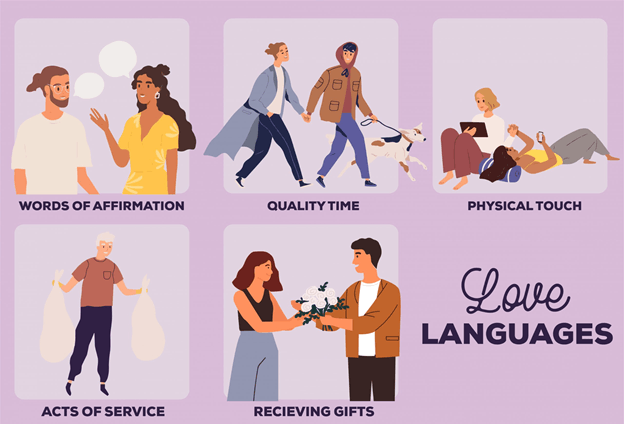
You adore your partner. You put in the effort. Maybe you spend hours cleaning the house, or perhaps you buy them thoughtful, expensive gifts. Yet, despite all your devotion and hard work, a familiar disconnect lingers. They might still feel unappreciated or distant. Why is your sincere effort not landing? The reason is simple but profound: You’re speaking your native language, but they need to hear theirs. That is why you need to know about love languages
The 5 Love Languages framework, developed by Dr. Gary Chapman, isn’t a trendy personality quiz; it’s a powerful, actionable system for decoding emotional needs. It helps us understand the distinct ways we feel love. This guide shows you how to go beyond simply identifying your partner’s language and consistently and intentionally speaking it in the context of modern life, busy schedules, and shared stresses.
Why Love Languages Matter More Than Ever
The Empathy Gap: The Golden Rule vs. The Platinum Rule
The central challenge in love is the Empathy Gap. We naturally operate by the “Golden Rule of Love,” giving love the way we would want to receive it. If your primary language is Physical Touch, you instinctively hug your partner. But if their primary language is Words of Affirmation, they might process that hug as nice, but they feel loved only when they hear specific praise. This gap is the silent killer of emotional intimacy, leading to exhaustion and resentment.
The Emotional Bank Account
Think of your relationship as having an emotional bank account. When you successfully speak your partner’s primary love language, you make a large, high-value deposit. When you neglect their language, you are essentially making a withdrawal (or, at best, a zero transaction).
A high bank balance offers resilience. If you have to cancel a date (a withdrawal), a full account means your partner can easily handle it. But if the balance is low, a minor inconvenience can trigger conflict, as they are running on empty emotionally. Consistency in speaking their language keeps the account funded.
Interlinks to Core Relationship Skills
Understanding Love Languages is crucial for conflict resolution:
- Conflict Repair: An apology is a form of Words of Affirmation. If your partner’s language is Acts of Service, a verbal apology will feel hollow unless you follow it up by doing something like fixing the mistake, cleaning the mess, or taking over the task you neglected.
- Affirmations: Knowing the language ensures your praise hits the mark. A thoughtful token affirms a Receiving Gifts person, while your dedicated, undivided attention affirms a Quality Time person.
Decoding the Love Languages: Real-Life Examples in Action
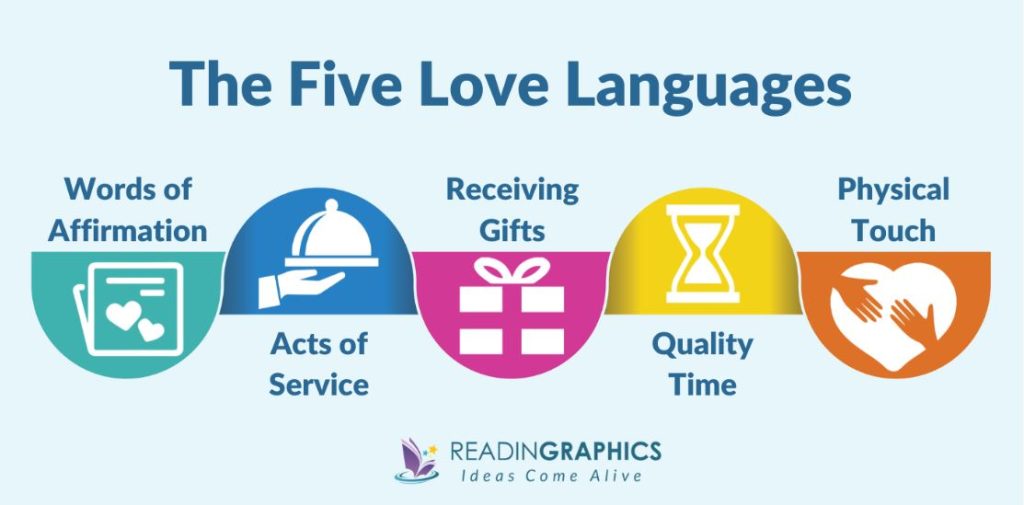
To truly make someone feel loved, your actions must be intentional. Here are real-world, high-impact examples for each language:
Words of Affirmation
This person needs specific, sincere, and consistent verbal appreciation.
- Instead of: “You look fine.”
- Try: “I was just thinking about how proud I am of the way you handled that client meeting today. You’re brilliant, and I love watching you succeed.”
- Actionable Tip: Send a surprise mid-day text detailing one specific quality you admire about them right now (e.g., their patience, their humor, their work ethic).
Acts of Service
For this person, actions truly speak louder than words. They feel loved when you alleviate their burden. Anticipation is the key.
- Instead of: Waiting to be asked to clean the kitchen.
- Try: “I noticed your work calendar is slammed this week, so I took the dog to the groomer, filled the gas tank, and picked up dinner for us tonight.”
- Actionable Tip: Create a “Honey-Do” list for yourself of things you know would reduce their stress, and complete one item before they even know it needs to be done.
Receiving Gifts
This is not about materialism; it’s about the emotional value of the thought and the visual symbol of being remembered.
- Instead of: Waiting for a holiday to buy something expensive.
- Try: Bringing home their favorite specific coffee order, a niche magazine you know they love but wouldn’t buy for themselves, or a souvenir from a work trip that shows you were thinking of them when you were apart.
- Actionable Tip: Document their “accidental hints”—keep a quick note on your phone when they mention liking something specific in a store or online.
Quality Time
This person needs dedicated, focused, undistracted attention. Time spent together only counts if they feel connected to you emotionally.
- Instead of: Watching TV together while scrolling phones and occasionally talking about work.
- Try: Scheduling 30 minutes of “undistracted time” where devices are explicitly banned, maintaining eye contact, and practicing active listening.
- Actionable Tip: Plan a focused “State of the Union” walk (no agenda, just talking, observing, and holding hands) once a week.
Physical Touch
This language refers to an intentional, non-sexual physical connection that conveys presence and safety.
- Instead of: Only touching during moments of intimacy.
- Try: Offering a simple hand on the small of their back as you pass them in the kitchen, a dedicated 10-second hug (a therapeutic minimum) before leaving for work, or cuddling and spooning during a movie (not just sitting beside them).
- Actionable Tip: Increase your non-sexual touch moments by 50% for a single week and observe the immediate difference in their mood and responsiveness.
The Mistakes People Make with Love Languages (And How to Stop)
Many couples get stuck because they make advanced love languages’ mistakes, even after learning the basics.
The “Love Bomb” Mistake
Giving a massive amount of your own language all at once (e.g., throwing a huge party when they just needed a note). This is exhausting for you and overwhelming for them. Consistency over intensity is the rule. Small, daily deposits are more effective than huge, quarterly “love bombs.”
The Weaponization Trap
Using their love language as leverage is emotional manipulation, not love. Saying, “I would do that Act of Service if you weren’t always…” instantly drains the emotional bank account. Love languages are tools for giving, not scorekeeping or negotiation.
The Assumption Flaw
Assuming their primary language never changes. The way we receive comfort can absolutely shift during periods of stress, grief, illness, or major life transitions. If your partner is dealing with intense pressure at work, their need for Acts of Service might temporarily eclipse their usual need for Quality Time. Keep checking in.
The “What’s In It For Me?” Syndrome
Viewing giving love as a transactional game (“I did two Acts of Service, now I deserve a hug!”). Love is a gift given freely, not a score traded for a reward. If you focus on filling their tank, yours will naturally be filled in return—but that cannot be the direct motivation.
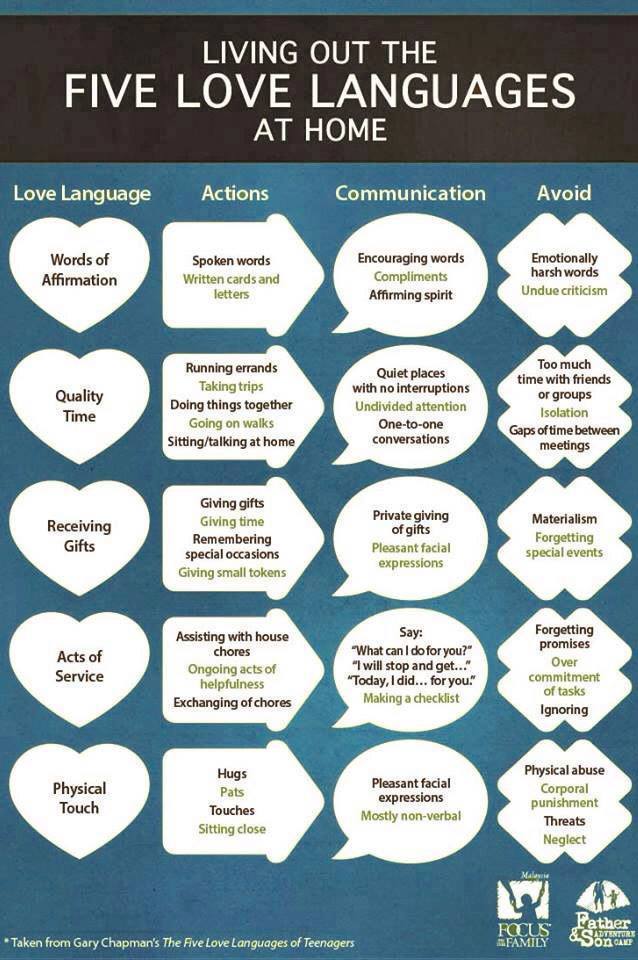
The Art of Translation: Loving Across the Love Languages
What happens when your natural way of giving love clashes directly with your partner’s receiving style? You need to become an expert translator.
The Dual Approach: Translating Your Impulse
Learn to “translate” your natural giving style into a delivery mechanism for their receiving style.
- Example: If your primary language is Receiving Gifts but your partner’s is Quality Time, don’t just buy a trinket. Translate your impulse by purchasing a board game, tickets to a show, or a meal kit you can cook together. The gift facilitates the time.
Ask, Don’t Guess (The “Menu” Strategy)
Remove the guesswork. Create a rotating “menu” of 3-5 small, specific things they could do for you in your language, and share yours.
- Example for Quality Time: “1. Can we sit on the balcony for 15 minutes without phones tonight? 2. Could you tell me one good thing and one hard thing about your day? 3. Can we go for a walk after dinner?”
This makes the giving process simple, specific, and stress-free for both of you.
The 80/20 Rule
To ensure maximum impact, focus 80% of your energy on their primary language and 20% on all the others. This ensures their core need is met reliably while the other languages provide a nice, well-rounded background of appreciation. You want to prioritize the actions that provide the greatest emotional return.
The Modern Love Languages Lens: Individuality Over Stereotypes
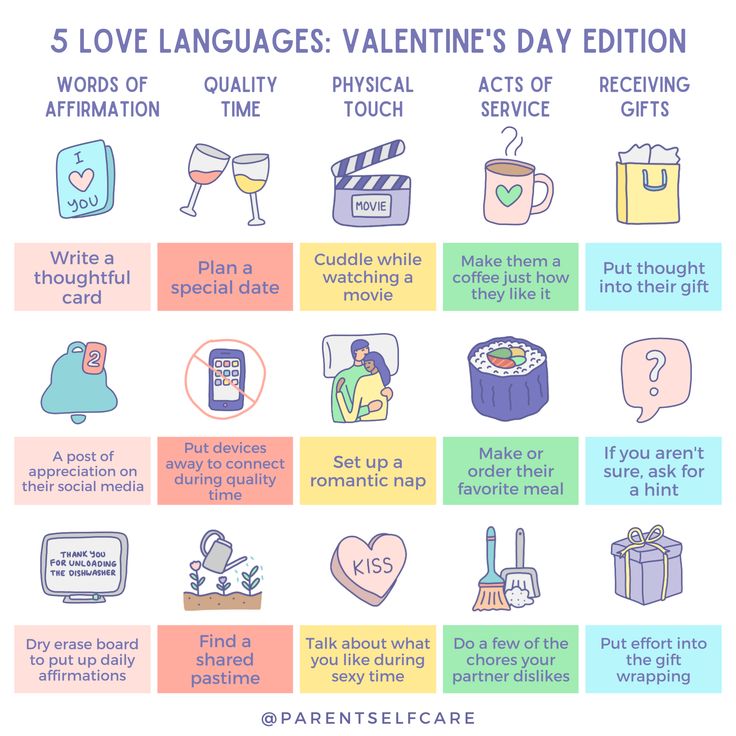
Moving Beyond “Men vs. Women”
Let’s be clear: The human need for love is universal, not gendered. Avoid stereotypes. Modern, healthy relationships are defined by individual needs, not outdated assumptions about what men or women “should” want. There are plenty of men whose primary language is Words of Affirmation and plenty of women whose primary language is Acts of Service.
Societal Programming vs. Genuine Need
While we must move past stereotypes, it’s worth acknowledging that societal programming can sometimes influence expression (how people learn to give love). For instance, someone might have been taught by their parents to express care only through Acts of Service. The counselor’s job is to look past this programming and identify the genuine, core need of the individual.
Focus on the Individual
The goal is not to generalize love languages based on demographics, but to listen actively to the specific person right in front of you. If your partner thrives on Quality Time, no amount of expensive tools or flowery notes will truly hit the mark. Listen to their complaints, observe what they ask for when they are stressed, and you will find their true language.
Consistency in Love Languages Use the Key to Connection
If love is a language, then feeling loved is a dialogue. It requires attention, translation, and practice. The power of this framework isn’t in labeling, but in inspiring intentional action.
Your ultimate challenge this week is simple: Commit to one small, daily act in your partner’s primary language. Do this for seven days straight and observe the immediate change in their mood, their resilience, and the overall atmosphere of your shared life.
Love is a verb. It is the daily, small translations that sustain a deep, felt connection. By learning to speak your partner’s true love language, you stop trying hard and start loving well.


