



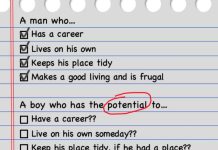












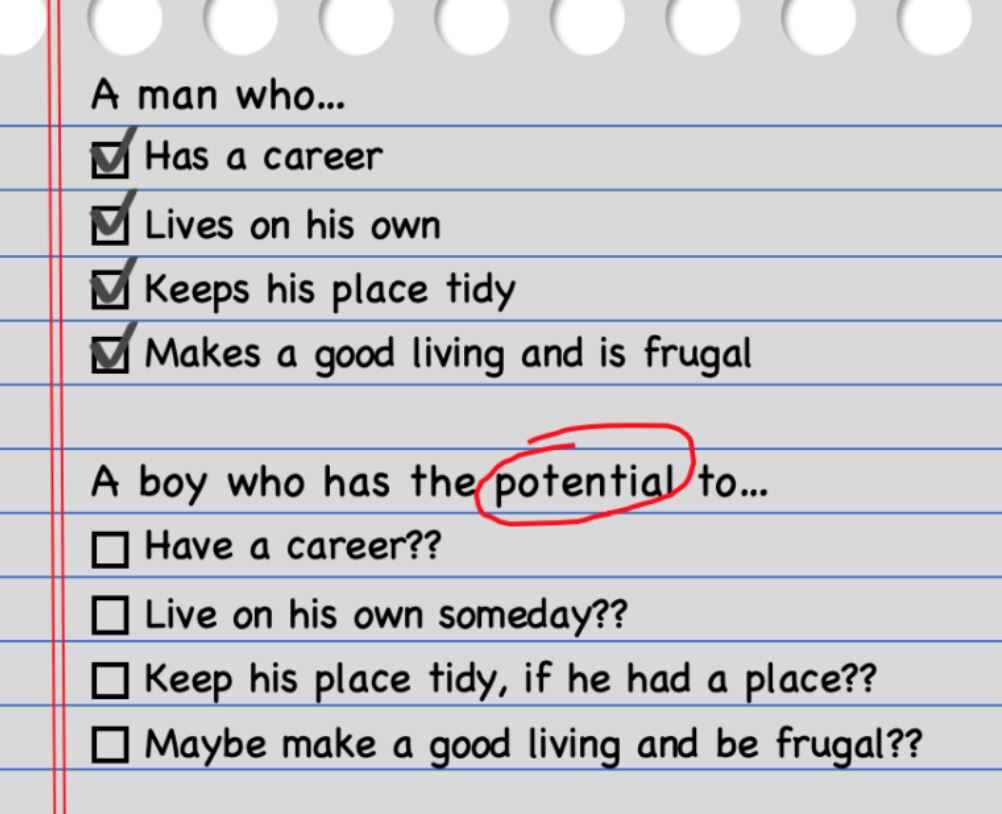
Many women start relationships with hope. Hope that he will grow. Hope that he will change. Hope that the connection will eventually become what it could be. This pattern is common, and it often shows up without a name: dating potential.
Dating potential means investing in who a man might become rather than who he is right now. He talks about wanting to start a business. He says he wants commitment. He mentions becoming more responsible in the future. These ideas spark imagination and emotional attachment, even before there is consistent evidence to support them.
But while hope fuels imagination, healthy relationships rely on consistency. Choosing a partner is not about predicting the future. It is about paying attention to the present. This article explains why women often fall for potential, why this pattern feels so familiar, and how to begin dating the person who is actually standing in front of you.
What Dating Potential Actually Means
Dating potential happens when the imagined version of a man becomes more compelling than the real one. You may find yourself saying, “He has so much potential,” while ignoring that the relationship already feels unbalanced. You hold onto ideas of what the partnership could look like in a year, yet the behavior you see today tells a different story.
Common signs that you are dating potential include:
- You excuse repeated disappointments because you believe he will eventually improve.
- You find yourself defending him to friends or family even when their concerns are valid.
- You are more attached to what you hope the relationship will become than to what it currently is.
- You believe your love, patience, or support will change him.
- You feel emotionally tired but struggle to leave because you feel close to a “breakthrough.”
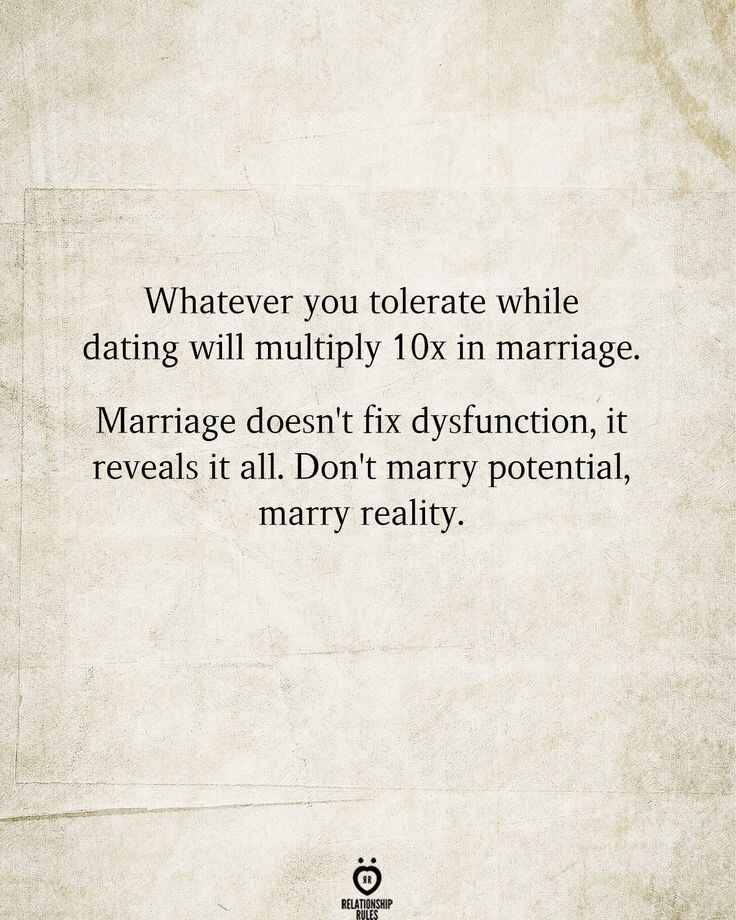
Dating potential is appealing because imagination is seductive. It creates the illusion of progress even when nothing has actually changed. It shifts focus from real behavior to possibility, which makes it harder to evaluate compatibility based on what is actually happening.
Why Women Commonly Fall for Potential
The tendency to fall for potential is not a flaw. It is often a reflection of upbringing, social messaging, emotional habits, and lived experience.
1. Social Conditioning
Women are often raised to be nurturers, taught to care, support, uplift, and give. Stories in films, music, and social media paint transformation as romantic: the “difficult” man who becomes better because of love. Struggle is framed as a necessary step before receiving affection. Commitment, in these narratives, is rewarded after endurance.
2. Wanting to Be Chosen
For some, dating potential is tied to self-worth. If a man finally changes, it may feel like proof that you are valuable. The transformation becomes a personal badge of honor—“He became better because of me.”
3. Fear of Starting Over
Staying with someone because leaving feels exhausting or uncertain is another anchor. You may fear dating again, meeting new people, or potentially ending up alone. The fantasy of his potential becomes a comforting story that delays difficult decisions.
4. Investment Bias
When you have already given time, energy, emotional labor, or financial support, walking away feels like a loss. The brain tries to justify continued investment, even if the relationship is no longer fulfilling.
5. Emotional Imagination
Women tend to be future-oriented in relationships. They picture the family, home, partnership, and shared life. This ability to imagine long-term outcomes, while powerful, can also make dating potential more tempting.
The Hidden Cost of Dating the Future Version of Him
Dating potential is expensive. Not financially—emotionally.
Emotional Exhaustion:
When you feel responsible for guiding his growth, you begin to parent instead of partner. That leads to burnout and resentment.
Lost Time:
Months or years may pass while waiting for a version of him that never arrives. During that time, opportunities for true compatibility with others may be missed.
Self-Betrayal:
Choosing potential often requires silencing your needs. You ignore what you want today because you are hoping tomorrow will compensate.
Attachment to Fantasy:
Once the imagined future becomes your emotional anchor, letting go feels like losing a dream you loved. That loss is painful, sometimes more painful than the relationship itself.
What Consistency Looks Like in a Dating Context
Consistency is the opposite of potential. Instead of imagining what could be, consistency asks: What is already happening?
Consistency in dating includes:
- His words and actions match over time.
- Communication is regular, not sporadic.
- Emotional effort is mutual, not pushed or coached.
- He keeps promises without being reminded.
- When conflict arises, he takes accountability.
- He wants a relationship now, not someday.

Consistency is not perfection. It is reliable behavior. When dating, consistency lets you observe whether he is capable of showing up not only when it is easy, but when it requires effort.
Seeing consistency requires slowing down. New relationships often feel exciting. Chemistry can be strong. Desire can be immediate. But time reveals patterns. Someone who is genuinely consistent does not only show up for the first two weeks. He shows up repeatedly, without prompting.
How to Stop Dating Potential and Start Dating the Man in Front of You
Dating the person in front of you means choosing presence over imagination. It requires observing who he is today, not the potential of who he might become.
Ways to stay grounded:
- When you feel excited about his future self, gently remind yourself: “What is he doing now?”
- Track his habits over 6–8 weeks instead of evaluating him based on early feelings.
- Stop filling in emotional gaps with imagination. If you do not know something about him, don’t assume, just ask.
- Separate chemistry from compatibility. Chemistry creates an emotional spark; compatibility creates stability.

Dating the person in front of you means accepting the data that his behavior is giving you. If he is inconsistent now, you should never assume consistency will magically appear later. If he communicates poorly today, it is unlikely he will suddenly become expressive once you are more committed.
Shifting Your Vetting Style
Most people date based on how someone makes them feel. Vetting is different. Vetting is evaluating whether someone’s behavior proves they are capable of partnership.
Shift from idealizing to evaluating by asking:
- Do I like who he is right now?
- If he never changed at all, would I choose him?
- Is he consistent without my guidance?
- Do I consistently feel respected and valued?
These questions bring attention back to reality. When you place value on current behavior instead of potential, you protect your emotional energy and make decisions rooted in clarity.
A Practical Vetting Framework for Consistency
A simple structure makes vetting easier. Rather than relying on feelings, use observable categories.
The Four C’s Vetting Framework:
- Consistency – Does he show up repeatedly without being reminded?
- Communication – Does he communicate openly and respectfully?
- Capacity – Does he have the emotional, financial, or mental bandwidth to build a relationship now?
- Character – Does he show integrity through actions?
You can apply this framework using a 30-day and 90-day observation window.
The first 30 days show patterns.
The first 90 days show whether those patterns are stable.
If you find yourself saying, “When he finally gets his life together, we’ll be great,” that is a sign you are dating potential, not consistency.
How to Let Go of Dating Potential Without Guilt
Letting go of potential feels like grieving a dream. It requires acknowledging that someone you wanted may never become the version you hoped for.
To shift emotionally:
- Journal about how the relationship feels today—not how you want it to feel.
- Speak to a neutral friend who will reflect reality without judgment.
- Slow down emotional intimacy. Do not build a future in your mind before observing his present.
- Ask yourself: Am I staying because of who he is, or because of who I hope he will become?
Letting go is not failure. In reality, it is a form of self-protection. It means you are choosing yourself, your needs, and your emotional peace over a someday promise.
Mini Self-Assessment: Am I Dating Potential?
Answer these honestly. If three or more are true, you may be dating potential:
- I defend his promises even when his behavior says otherwise.
- I stay because I believe he will eventually change.
- I am afraid to leave because of how much time I have invested.
- I feel emotionally tired more often than I feel happy.
- I would feel embarrassed if friends saw what the relationship is actually like today.
Conclusion
Dating potential is easy because imagination makes love feel full before it has actually formed. But sustainable relationships are built on daily choices, not someday promises.
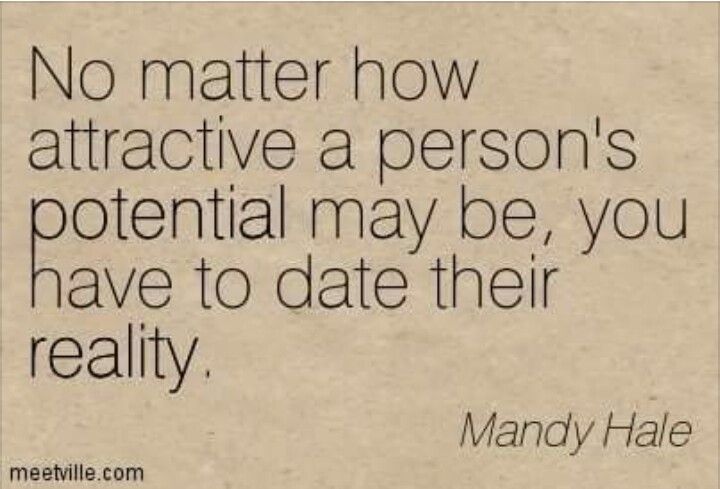
Vetting for consistency helps you choose partners who already show the behavior you desire without coaching or waiting. This does not mean you lower standards. The goal is to honor them by choosing a partner based on what is real.
When you begin dating the person who is standing in front of you, rather than the fantasy of who he could be, you give yourself the chance to experience a relationship where love feels safe, reciprocal, and present.


