
















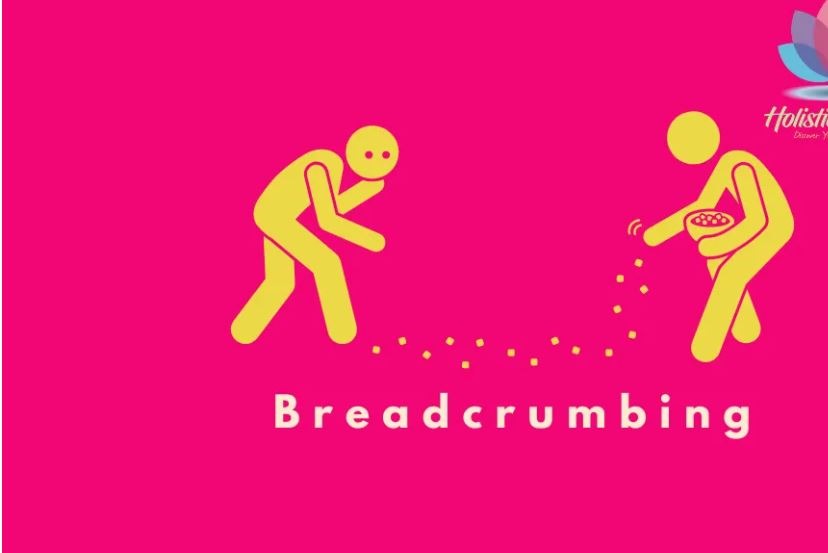
Initially, it feels like there’s some interest. She checks in, sends a message, or reacts just enough to keep the connection going. However, clarity never comes. Plans remain vague. Emotional closeness seems out of reach. You find yourself waiting, hoping, and questioning where you stand. This is called breadcrumbing, and it is one of the modern dating trends. It occurs when someone gives small pieces of attention without genuine intention or commitment. Recognizing breadcrumbing early can help you protect your emotional health and avoid investing in a connection that keeps you uncertain.
What Breadcrumbing Really Means in Relationships
Breadcrumbing in relationships occurs when one person provides occasional affection or communication without consistent effort or emotional availability. These small gestures create the illusion of interest while preventing a deeper connection.
For many men, breadcrumbing feels confusing because the signals are mixed. There is just enough engagement to keep hope alive, but not enough consistency to build trust. Over time, this imbalance leads to emotional exhaustion and self-doubt.
Why Breadcrumbing Feels So Confusing
As studies show, breadcrumbing thrives on inconsistency. One day, she seems warm and present. Next, she disappears without explanation. This pattern makes it difficult to trust your instincts.
The human mind searches for meaning in uncertainty. When attention comes and goes, it often creates a stronger emotional attachment rather than clarity. Instead of feeling secure, you may find yourself working harder for less connection.
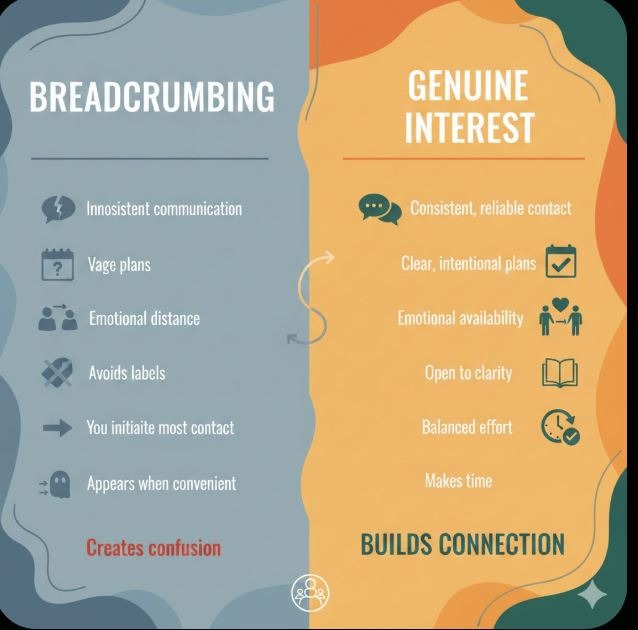
1. Breadcrumbing Through Inconsistent Communication
One of the clearest signs of breadcrumbing is uneven communication. Messages arrive sporadically and often without substance. Conversations rarely progress or deepen.
You may notice that replies come hours or days later without acknowledgment. When she reaches out, it often feels casual, brief, or disconnected from previous conversations. This pattern leaves you unsure whether real interest exists.
2. Breadcrumbing That Keeps Plans Vague
Another revealing sign of breadcrumbing is the absence of clear plans. She may express interest in seeing you, yet avoids setting a date, time, or location.
Plans may be discussed but never confirmed. Invitations often appear last minute. When consistency is missing, the message becomes clear. You are available when it suits her schedule, not because she is prioritizing time with you.
3. Emotional Breadcrumbing Without Real Intimacy
Emotional breadcrumbing involves a surface-level connection without vulnerability. She may flirt, joke, or share light moments, yet avoids deeper conversations.
When you attempt to discuss feelings or expectations, the subject changes or the conversation fades. Emotional intimacy requires openness and presence. Breadcrumbing offers neither, which leaves you feeling connected but unfulfilled.
4. Breadcrumbing That Centers on Her Convenience
Breadcrumbing often appears when her emotional needs surface. She may reach out when she feels bored, lonely, or stressed.
Once her mood shifts or attention moves elsewhere, communication slows or stops. This pattern places her needs at the center while yours remain unmet. Over time, this imbalance erodes emotional security and self-respect.
5. Breadcrumbing That Avoids Labels and Clarity
Avoiding definition is another common sign of breadcrumbing. She may resist conversations about where the relationship stands or what it means.
Phrases that delay clarity can sound harmless, but repeated avoidance often signals unwillingness to commit. Healthy connections allow space for honest conversation. Breadcrumbing relies on keeping the situation undefined.
6. Breadcrumbing That Requires You to Chase
When you are being breadcrumbed, effort often flows in one direction. You initiate most conversations and follow up on plans. You adjust expectations to keep the connection alive.
This dynamic slowly shifts power away from you. Relationships thrive on mutual effort. When chasing becomes the norm, emotional balance disappears.
7. Breadcrumbing That Makes You Doubt Yourself
Perhaps the most damaging effect of breadcrumbing is how it affects your sense of self. You may begin to question your worth, your communication style, or your expectations.
Overthinking becomes common. Silence feels personal. When a connection consistently leaves you anxious or uncertain, it is often a sign that emotional safety is missing.
Why Men Stay Even When the Signs Are Clear
Many men remain where they are breadcrumbed because emotional attachment builds faster than clarity. When moments of attention are mixed with absence, the connection begins to feel rare and valuable. The mind often focuses on what feels good rather than what feels consistent.
Past effort also plays a role. Time, energy, and emotional openness create a sense of investment that is difficult to release. Walking away can feel like admitting that those efforts did not lead where they were meant to go. Staying can seem easier than confronting disappointment.
Fear of uncertainty often reinforces the pattern. Letting go means returning to the unknown, where connection is not guaranteed. Familiar inconsistency can feel safer than starting again without any assurance of outcome. Understanding these dynamics enables men to approach the situation with honesty rather than self-blame.
How to Respond When You Realize You Are Being Breadcrumbed
Responding to breadcrumbing begins with slowing down rather than reacting. Instead of focusing on individual messages or moments, it helps to look at the overall pattern. Consistency reveals more than intention ever will.
Creating space can be a healthy step. Pulling back does not require explanations or ultimatums. It allows you to see whether effort increases naturally or fades when you stop carrying the connection alone. This shift often brings clarity without confrontation.
Protecting your emotional balance also means adjusting how much you give. When effort becomes more even, uncertainty loses its hold. Personal standards guide this process. They help you decide what you are willing to accept, without needing to persuade or convince anyone else.
If clarity does not emerge over time, stepping away becomes a grounded choice. Leaving in this context reflects self-respect and emotional maturity rather than rejection or defeat.
Reclaiming Confidence After Breadcrumbing
Breadcrumbing often leaves quiet emotional marks. Confidence can fade slowly as uncertainty becomes routine. Rebuilding it starts with recognizing that inconsistent behavior reflects the other person’s capacity, not your value.

Allowing yourself time to reset helps restore balance. This may involve reconnecting with interests, routines, and relationships that reinforce stability and self-trust. Confidence returns when your emotional world feels supported rather than questioned.
Healthy relationships feel predictable in a reassuring way. Effort flows in both directions, and communication does not require constant analysis. Choosing connections that offer steadiness helps rebuild trust in your judgment and reminds you that emotional safety is not something that must be earned.
You Deserve More
Breadcrumbing keeps you emotionally engaged without offering security or direction. While the signs may seem subtle at first, their impact builds over time. Confusion replaces confidence, and hope begins to feel heavier than it should.
Recognizing this toxic pattern should not lead to blaming yourself or questioning your worth. It is about noticing patterns and honoring how they make you feel. When a connection leaves you uncertain more often than it brings peace, something important is missing.
You deserve communication that feels consistent, effort that feels mutual, and interest that does not require constant interpretation. Choosing clarity over confusion enables you to step away from emotional limbo and toward relationships that emerge with intention.
Walking away creates space for something healthier, steadier, and more fulfilling.
FAQ
What is breadcrumbing in relationships?
Breadcrumbing is when someone gives intermittent attention or affection to keep you interested without committing or investing emotionally.
Is breadcrumbing intentional or unconscious?
It can be either. Some people breadcrumb deliberately to maintain options, while others do it due to emotional unavailability or fear of intimacy.
Why does breadcrumbing hurt so much?
Breadcrumbing creates hope without security. The emotional inconsistency triggers anxiety, self-doubt, and attachment without fulfillment.
How do I know if I’m being breadcrumbed or if she’s just busy?
Busy still shows consistency and care. a person giving you breadcrumbs shows patterns of engagement followed by withdrawal without explanation.
Should I confront someone who is breadcrumbing me?
You can seek clarity, but their response matters more than their words. Consistent action is the only real answer.
How do I stop breadcrumbing from affecting my self-worth?
By recognizing the pattern early, setting boundaries, and choosing not to over-invest where effort isn’t mutual.
Does breadcrumbing mean she’s seeing someone else?
Not always, but it often happens when someone wants to keep options open or avoid emotional responsibility.


